
Freight Forwarding
Freight Forwarding
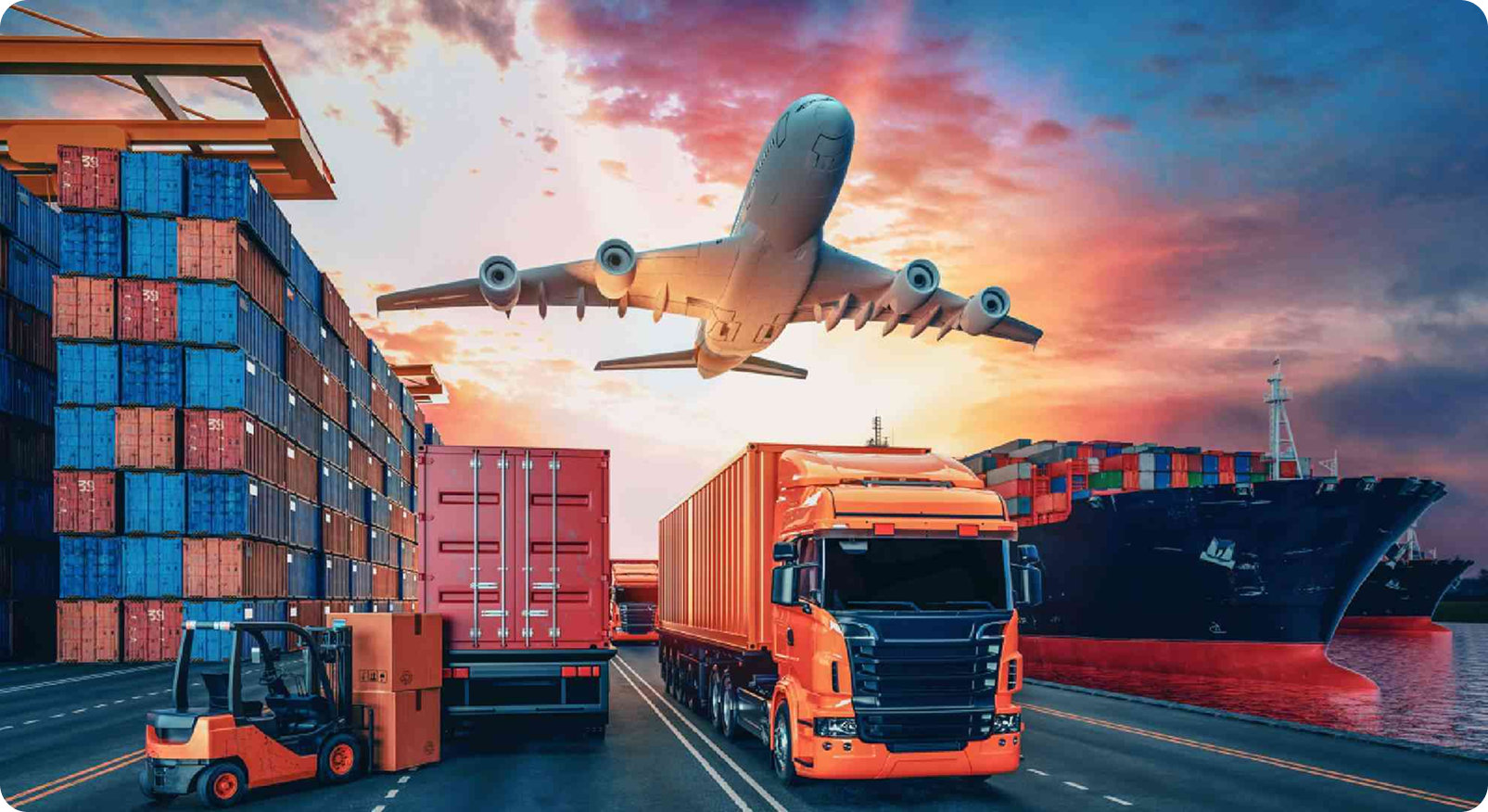
Freight forwarding is a comprehensive logistics service that ensures the smooth, efficient, and reliable movement of goods from the shipper’s location to the consignee’s final destination across domestic and international borders. Acting as a vital link between exporters, importers, carriers, and regulatory authorities, freight forwarders manage complex supply chain processes and enable seamless global trade operations.
A key responsibility of freight forwarding is route planning and transportation management. Freight forwarders evaluate cargo characteristics, delivery timelines, and budget requirements to determine the most suitable and cost-effective transport modes, including sea, air, road, rail, or multimodal solutions. By selecting reliable carriers and optimizing routes, they help reduce transit time and logistics costs while ensuring cargo safety.
Freight forwarders handle end-to-end shipment coordination, covering cargo booking, consolidation, and scheduling. They also provide guidance on packaging, labeling, and handling to ensure goods are properly protected throughout transit. For consolidated shipments, freight forwarders combine multiple consignments efficiently, allowing shippers to benefit from shared transportation costs without compromising delivery reliability.
Another critical function of freight forwarding is documentation and customs compliance. Freight forwarders prepare, verify, and manage essential trade documents such as bills of lading, commercial invoices, packing lists, and certificates of origin. They coordinate customs clearance at both origin and destination, ensuring adherence to local laws, international trade regulations, and security requirements. This expertise minimizes the risk of delays, penalties, or cargo holds caused by documentation errors or non-compliance.
In addition to transportation and documentation, freight forwarding services often include value-added logistics support. These services may involve warehousing and storage, cargo insurance, shipment tracking and visibility, and last-mile delivery. Warehousing solutions allow for efficient inventory management and distribution planning, while cargo insurance provides financial protection against potential loss or damage during transit. Advanced tracking systems offer real-time visibility, enabling shippers to monitor shipment progress and make informed decisions.
Freight forwarders also play a crucial role in risk management and problem resolution. By closely monitoring shipments and maintaining constant communication with carriers and stakeholders, they are able to respond quickly to disruptions such as delays, route changes, or port congestion. Their proactive approach helps maintain supply chain continuity and ensures timely delivery even in challenging conditions.
By managing every stage of the logistics process, freight forwarding significantly reduces complexity for businesses. Companies benefit from streamlined operations, improved cost control, and dependable delivery performance. For businesses of all sizes, freight forwarding provides a single-point solution that supports efficient global trade, enhances supply chain resilience, and enables goods to move safely and seamlessly from origin to destination.